
Large Scale Criminal Incidents
Mass violence is commonly characterized by a perpetrator using a weapon or force to intentionally end the lives of multiple people. While this is the case, criminal negligence involving air, fire, food, home, products and water can be just as harmful, taking lives and causing serious mental and physical trauma to all involved.
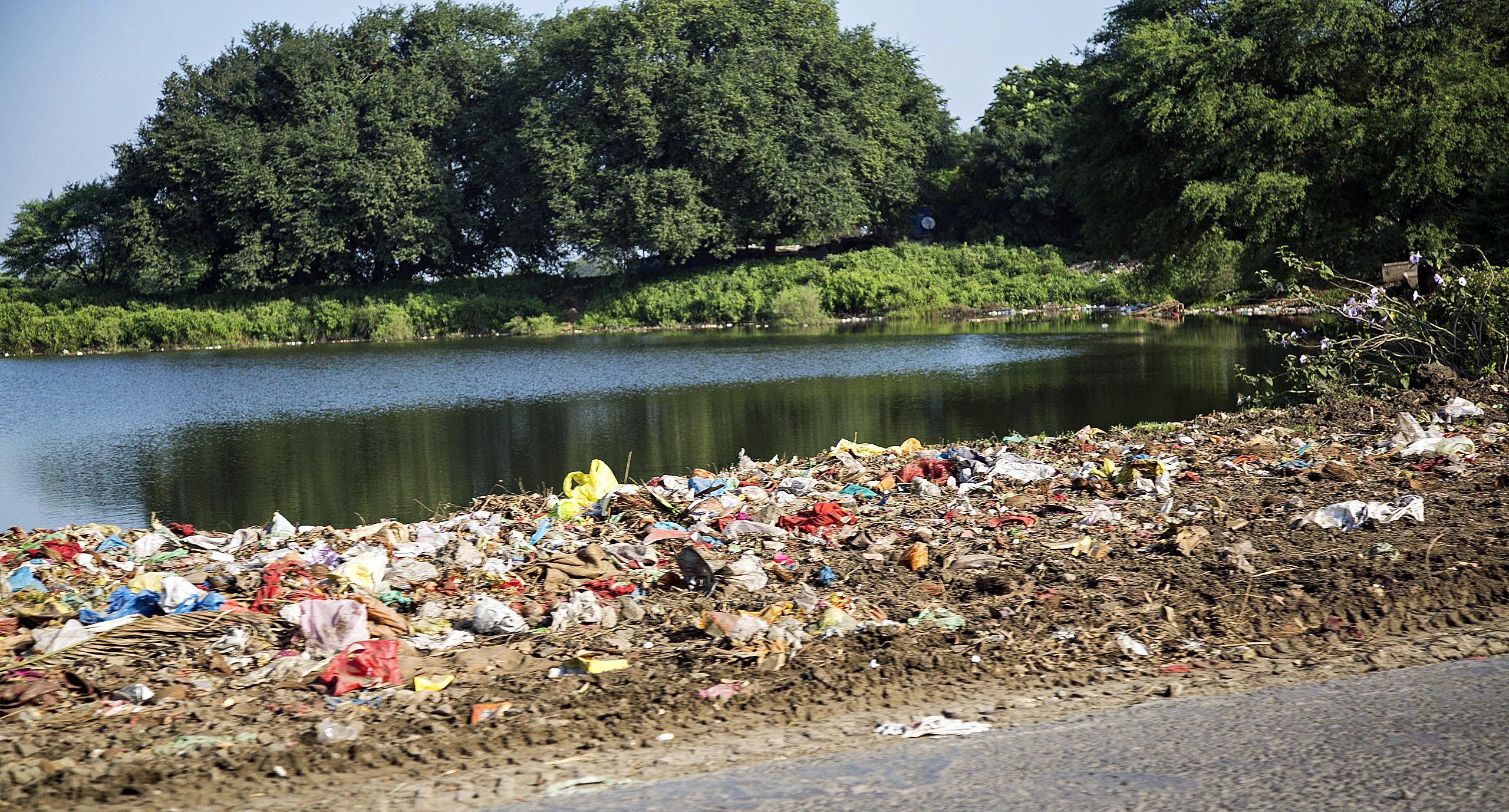 Credit: John Hoey from Framingham, MA, United States, CC BY 2.0, via Wikimedia Commons
What is criminal negligence?
Most crimes involve intentional actions. Criminal negligence occurs when the carelessness of an individual, group or organization results in an injury to a person or property. Victims of these types of crimes are often eligible for a variety of resources provided by the Office for Victims of Crime (OVC).
Has a crime been committed?
Environmental or biological crimes involving criminal negligence can include the following:

It is important to know that the perpetrator must be charged with a crime in order for victims to be eligible for resources from the OVC. However, the perpetrator does not need to be convicted of the crime for the victims to be eligible for resources. Victims are eligible for resources even if the charged perpetrator has died or is missing.

If you have been victimized by a biological or environmental crime, you may be eligible for crime victim resources.

We have collected a variety of self-help resources for victims of mass violence including information about common trauma reactions and tools for coping.

Environmental or biological crimes can be committed anywhere with unpredictable impacts. Communities of all sizes should prepare for mass violence in any form.
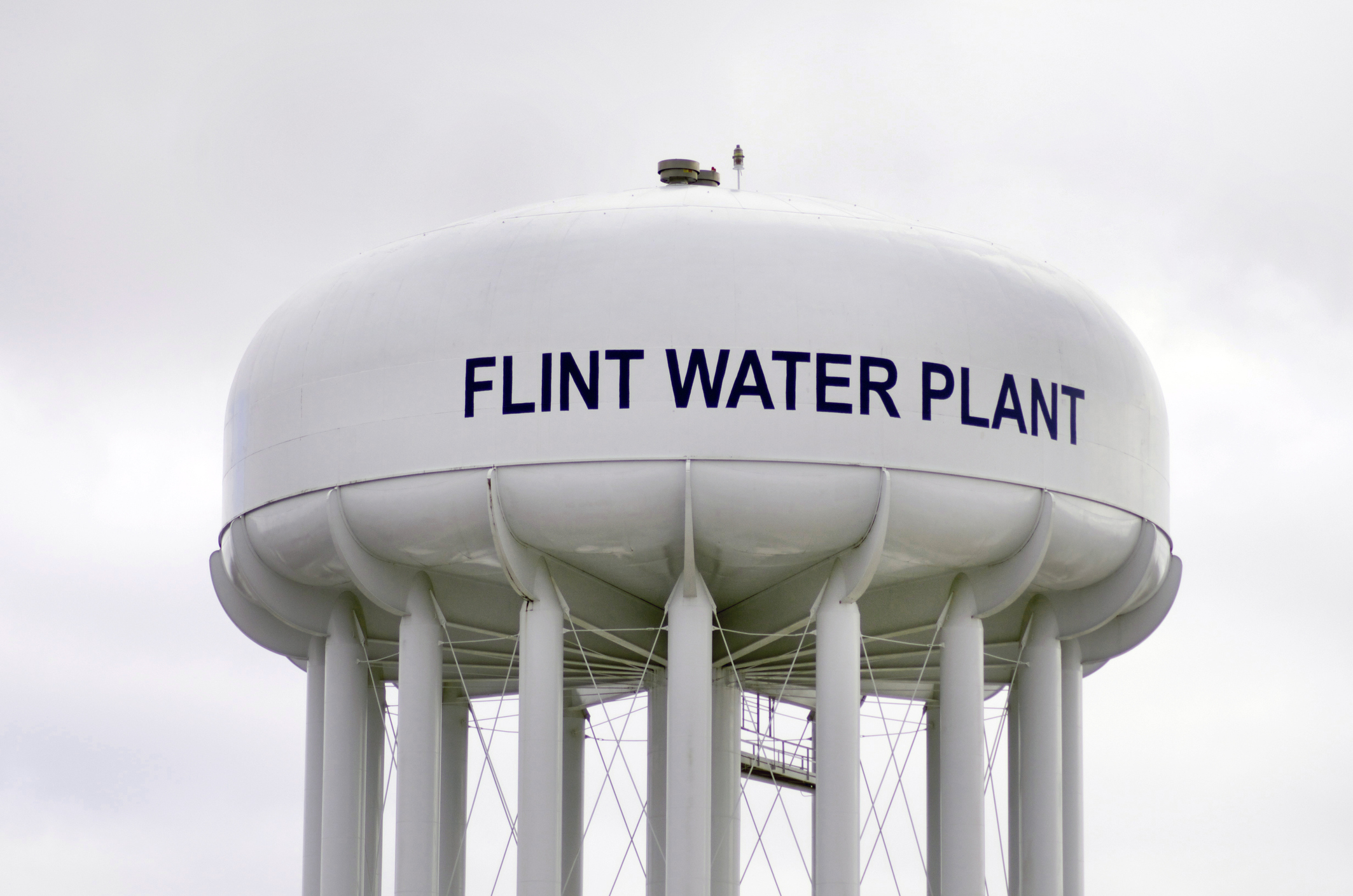
In 2019-2020, in the aftermath of the Flint Water Crisis, NMVC surveyed Flint residents for: perceptions of exposure; prevalence of PTSD and depression, risk and protective factors; and access to services. Learn more about the survey results.